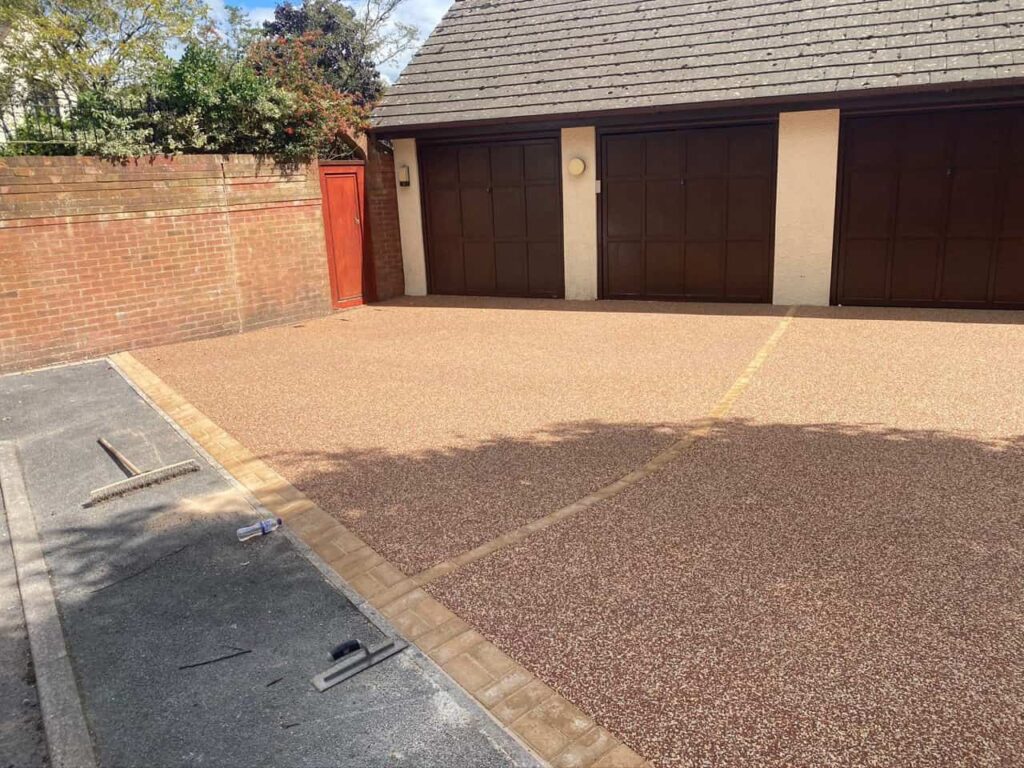
7 Reasons Your Tarmac Driveway May Be Deteriorating
A well-laid tarmac driveway provides a durable, practical surface for regular vehicle and pedestrian use. However, no driveway is completely unaffected by ageing, weather and ground movement. Cracks, depressions, loose material and standing water can all indicate that the surface or its supporting layers have begun to deteriorate.
Understanding why these problems develop helps property owners in Gravesend, Kent, arrange the right remedial work before localised damage spreads across the driveway.
What Causes a Tarmac Driveway to Deteriorate?
1. An Insufficient or Unstable Sub-Base
The condition of a tarmac driveway depends heavily on the ground beneath it. The sub-base distributes vehicle loads and prevents the finished surface from moving excessively.
If this layer is too shallow, poorly compacted or laid over unstable ground, sections of the driveway may sink or shift. The tarmac above can then crack, dip or develop an uneven appearance. Surface repairs alone may not provide a lasting result unless the underlying weakness is also addressed.
2. Poor Surface Drainage
Water should run away from a driveway efficiently rather than collecting in low areas. Persistent standing water can gradually penetrate small cracks and weaken the materials beneath the surface.
Drainage problems commonly become visible as:
- Puddles that remain after rainfall
- Damp or soft edges
- Silt collecting in sunken sections
- Cracks developing around low points
- Water flowing towards adjoining structures
Correct falls, suitable drainage features and firm edges all help protect a tarmac surface from water-related deterioration.
3. Repeated Heavy Vehicle Use
A domestic driveway must be constructed for the type and frequency of traffic it receives. Regular use by heavier vehicles can place greater pressure on the tarmac and sub-base, particularly where vehicles turn, brake or remain parked in the same position.
Early signs of stress may include shallow wheel tracks, small depressions or cracking around parking areas. A professional assessment can establish whether the damage is limited to the surface or extends into the supporting layers.
4. Ageing and Weather Exposure
Tarmac naturally changes as it ages. Exposure to sunlight, rainfall and seasonal temperature variations can gradually reduce its flexibility. The surface may fade, become dry or begin losing small pieces of aggregate.
Once tarmac becomes more brittle, it is less able to accommodate minor movement without cracking. Small defects should therefore be investigated before water and debris enter the surface and accelerate further deterioration.
5. Weak or Unsupported Edges
The edges of a driveway are particularly vulnerable because they do not always receive the same support as the central surface. Vehicles driving too close to an unrestrained edge can cause the tarmac to crumble or break away.
Effective edging helps retain the driveway structure and creates a clear boundary between the tarmac and surrounding ground. Where edge damage has already occurred, the affected area may need to be cut back and reconstructed on a stable foundation.
6. Tree Roots and Ground Movement
Nearby roots can place upward pressure on a driveway, resulting in raised sections, cracks and an uneven surface. Ground movement can also occur because of changes in soil conditions, erosion beneath the driveway or settlement following previous excavation.
The visible defect does not always reveal the full cause. Simply covering a crack or raised section may conceal the problem temporarily without preventing it from returning. Identifying what is happening below the surface is essential when choosing an appropriate repair.
7. Delayed Maintenance and Repairs
Minor deterioration can become more extensive when it is left unattended. A narrow crack may widen as water enters it, while a small depression can collect moisture and place additional stress on the surrounding tarmac.
Prompt maintenance can help prevent:
- Cracks spreading into adjoining areas
- Loose edges breaking away further
- Potholes developing from surface damage
- Water reaching the sub-base
- Isolated defects affecting larger sections
Not every mark requires major work, but changes that continue to spread should be assessed professionally.
Can a Deteriorating Tarmac Driveway Be Repaired?
The answer depends on the cause and extent of the damage. Localised cracks, edge failures or isolated depressions may be repairable when the wider driveway remains stable. More extensive movement, widespread cracking or recurring potholes can indicate problems within the base and may require a more comprehensive solution.
A proper inspection should consider drainage, levels, edge support, traffic use and the condition of the underlying construction. This avoids treating only the visible symptoms and helps ensure that any recommended work addresses the actual source of deterioration.
Conclusion
Tarmac driveway deterioration can result from inadequate ground preparation, poor drainage, heavy traffic, weathering, unsupported edges, root activity or delayed maintenance. As several causes can produce similar symptoms, an accurate assessment is the best way to determine what work is genuinely needed.
Gravesend Driveways provides professional tarmac driveway and surfacing services in Gravesend, Kent. If your driveway is cracking, sinking or becoming uneven, contact our team to arrange an assessment and discuss the most suitable way to restore the surface.
Call us on: 01474 551 689
Click here to find out more about Gravesend Driveways
Click here to complete our contact form and see how we can help with your driveway needs.